Spring Firearm Prep: Essential Cleaning, Inspection, and Safety Checks Before Hunting Season


As the hunting season approaches, ensuring your firearm is in optimal condition is crucial for both safety and performance. Proper spring firearm preparation involves a series of essential maintenance tasks that can significantly enhance your hunting experience. This guide will cover the necessary steps for cleaning, inspecting, and ensuring the safety of your hunting rifle. By following these guidelines, you can avoid potential malfunctions and ensure your firearm is ready for the field. We will explore effective cleaning techniques, a pre-hunt inspection checklist, lubrication tips, and when to consult a professional gunsmith.
How Do You Properly Clean Your Hunting Rifle Before the Season?
Cleaning your hunting rifle is a fundamental step in preparing for the season. A thorough cleaning not only enhances the firearm's performance but also extends its lifespan. The process involves disassembling the rifle, cleaning the barrel and other components, and ensuring that all parts are free from dirt and residue. Regular cleaning helps maintain accuracy and reliability, which are critical during hunting.
What Are the Best Firearm Cleaning Techniques and Tools?
To effectively clean your hunting rifle, consider the following techniques and tools:
Safety First: Always ensure the firearm is unloaded before cleaning.
Disassemble Your Firearm: Carefully take apart the rifle according to the manufacturer's instructions.
Use Quality Cleaning Tools: Employ a cleaning rod, bore brush, and patches specifically designed for your rifle caliber.
These tools will help remove fouling and debris, ensuring your rifle operates smoothly.
How to Maintain the Rifle Bore for Optimal Performance?
Maintaining the rifle bore is essential for accuracy. Regular cleaning of the bore prevents buildup that can affect performance. Use a bore brush and cleaning solvent to scrub the interior of the barrel, followed by patches to remove any residue. It is advisable to clean the bore after every shooting session or at least once a month during the off-season. Additionally, applying a light coat of lubricant can protect the bore from rust and corrosion.
What Is the Pre-Hunt Firearm Inspection Checklist for Safety and Reliability?

Before heading out for the hunting season, conducting a thorough inspection of your firearm is vital. This checklist ensures that your rifle is safe and reliable, minimizing the risk of malfunctions during use.
Clean the Firearm: Ensure that the rifle is clean and free of any obstructions.
Inspect Overall Condition: Check for any signs of wear or damage on the stock, barrel, and action.
Check Functionality: Test the trigger and safety mechanisms to ensure they are functioning correctly.
Which Rifle Components Should Be Inspected Before Hunting?
When inspecting your rifle, pay special attention to the following components:
Barrel: Look for any obstructions or signs of rust.
Trigger: Ensure it operates smoothly without any sticking.
Bolt: Check for proper movement and locking.
These components are critical for the safe operation of your firearm.
How Often Should You Inspect Your Gun Before the Hunting Season?
Regular inspections are essential for maintaining firearm safety. It is recommended to inspect your gun at least once every few months during the off-season and immediately before the hunting season. If you notice any signs of wear or malfunction, consult a professional gunsmith for further evaluation.
For those seeking a deeper understanding of firearm handling and safety, comprehensive instructional guides offer invaluable resources.
Comprehensive Hunter Safety & Rifle Instruction Prepared for instruction in the use of rifles, air guns, shotguns, pistols, and hunter safety, this guide supplements other materials which are available from the National Rifle Association of America, the National Shooting Sports Foundation, the American Association for Health, Physical Education, and Recreation, industry, and other sources. The guide should be helpful in schools, colleges, clinics, and workshops which instruct in the shooting sports. Major divisions are: (1) Rifles and Air Guns, (2) Shotguns, (3) Pistolry, and (4) Hunter Safety. Each is in outline form and consists of gun parts and types, techniques, activities, suggested knowledge tests, and a 1-, 4-, 5-, 10-, or 20-hour lesson plan outline. The guide also includes a list of reference materials, a glossary of shooting sport terms, and the 10 Commandments of Safety. A Guide to Instruction in the Shooting Sports-Rifles; Air Rifles; Shotguns; Pistols; Hunter Safety., 1970
What Are the Best Gun Lubrication Tips to Prevent Rust and Malfunctions?
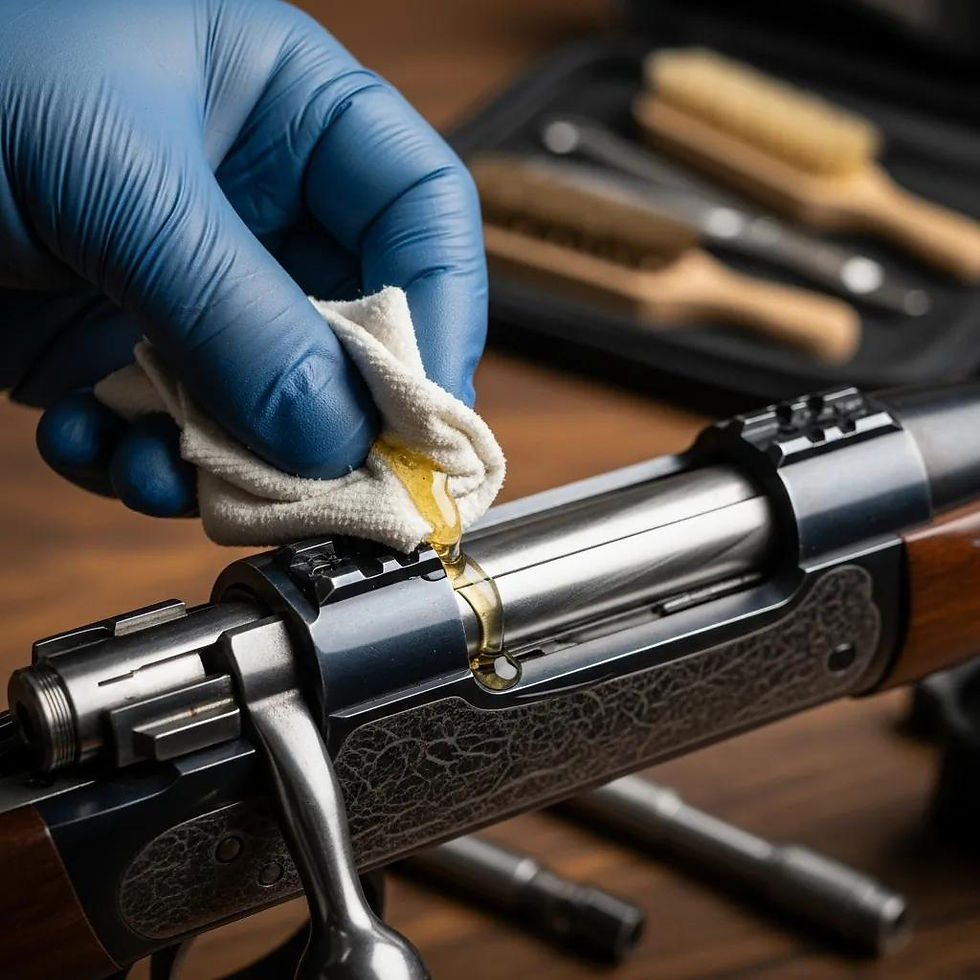
Proper lubrication is key to preventing rust and ensuring smooth operation of your hunting rifle. Using the right lubricants can significantly enhance the performance and longevity of your firearm.
Use Quality Gun Oil: Select a high-quality gun oil that is specifically designed for firearms.
Avoid Over-Lubrication: Too much lubricant can attract dirt and debris, leading to malfunctions.
Regular Inspections: Check lubrication levels regularly, especially before and after hunting trips.
Which Lubricants Are Recommended for Hunting Rifles?
When choosing lubricants for your hunting rifle, consider the following options:
Lubricant | Type | Benefits |
CLP (Cleaner, Lubricant, Protectant) | Multi-purpose | Cleans, lubricates, and protects |
Synthetic Gun Oil | High-performance | Provides superior lubrication and protection |
Grease | Heavy-duty | Ideal for high-friction areas |
These lubricants can help maintain your rifle's performance and prevent rust.
How Does Proper Lubrication Enhance Hunting Rifle Safety and Function?
Proper lubrication enhances safety and function by ensuring that moving parts operate smoothly. This reduces the risk of malfunctions that could occur due to friction or rust. Additionally, a well-lubricated firearm is less likely to jam, providing you with peace of mind while hunting.
When Should You Consult a Professional Gunsmith for Spring Firearm Prep?
Consulting a professional gunsmith is advisable when you encounter issues beyond routine maintenance. A gunsmith can provide expert advice and services to ensure your firearm is in top condition.
Regular Maintenance: Schedule annual or bi-annual check-ups to keep your firearm in optimal shape.
Malfunctions: If you experience any issues with your rifle, such as misfires or jamming, seek professional help.
After Modifications: If you have made any modifications to your firearm, a gunsmith can ensure everything is functioning correctly.
What Are Common Pre-Season Gun Maintenance Mistakes to Avoid?
Avoid these common mistakes to ensure your firearm is ready for the season:
Neglecting Regular Cleaning: Failing to clean your rifle can lead to performance issues.
Using Improper Lubricants: Not all lubricants are suitable for firearms; choose wisely.
Ignoring Inspections: Regular inspections are crucial for safety and reliability.
How Can RTF3TX Gunsmithing Services Ensure Your Rifle Is Hunting-Ready?
AGI Certified Gunsmith offers professional services to prepare your rifle for the hunting season. Their services include:
Deep Cleaning Services: Comprehensive cleaning to remove all fouling and debris.
Trigger Jobs: Adjustments to ensure optimal trigger performance.
General Firearm Repairs: Addressing any issues to ensure your rifle is safe and reliable.
By utilizing professional gunsmith services, you can ensure your firearm is fully prepared for the hunting season.


Comments