Restoring the Family Heirloom: Returning a Family Firearm to Near Original Finish

Restoring a family firearm is more than just a project - it’s a way to honor your heritage and preserve a piece of history. When you take on the task of returning a family heirloom to its near original finish, you’re not only improving its appearance but also ensuring it remains functional and safe for years to come. I’ve walked through this process myself, and I want to share practical, clear steps to help you restore your firearm with confidence.
Understanding the Importance of Restoration
Before diving into the restoration process, it’s essential to understand why restoring a family firearm matters. These guns often carry stories and memories that connect generations. Over time, wear, rust, and damage can diminish their value and usability. Restoring the finish helps protect the metal from further corrosion and brings back the firearm’s original beauty.
Restoration also involves careful attention to safety. A firearm that looks good but isn’t properly maintained can be dangerous. That’s why every step should be done with precision and care.
Preparing for the Restoration Process
Preparation is key to a successful restoration. Here’s what you need to do before you start:
Gather the right tools and materials: You’ll need fine sandpaper, steel wool, gun oil, cleaning solvents, bluing solution or refinishing products, and protective gloves.
Work in a well-ventilated area: Many chemicals used in restoration have strong fumes.
Disassemble the firearm carefully: Remove all parts that can be separated without forcing anything. Keep track of screws and small components.
Document the original condition: Take photos from multiple angles. This will help you compare before and after, and guide your restoration.
Taking these steps ensures you’re ready to work safely and effectively.

Step-by-Step Guide to Restoring the Finish
Restoring the finish involves several stages. Follow these steps carefully:
Cleaning
Start by removing dirt, grease, and old oil. Use a good quality gun cleaning solvent and a soft brush. Wipe down all metal parts thoroughly.
Removing Rust and Old Finish
Use fine steel wool or very fine sandpaper (around 0000 grade) to gently remove rust spots and flaking finish. Be patient and avoid aggressive scrubbing that can damage the metal.
Polishing
After rust removal, polish the metal with a soft cloth and a metal polish designed for firearms. This step smooths the surface and prepares it for refinishing.
Bluing or Refinishing
Bluing is a traditional method to protect steel and restore its dark finish. You can use cold bluing kits for small touch-ups or hot bluing for a more durable finish. Follow the product instructions carefully. Alternatively, consider modern refinishing products that offer rust protection and a clean look.
Oiling and Protecting
Once the finish is restored, apply a thin layer of gun oil to protect the metal. This also helps maintain the finish over time.
Throughout the process, handle each part gently and avoid rushing. The goal is to bring the firearm back to near original condition without compromising its integrity.
Tips for Restoring Wooden Stocks and Grips
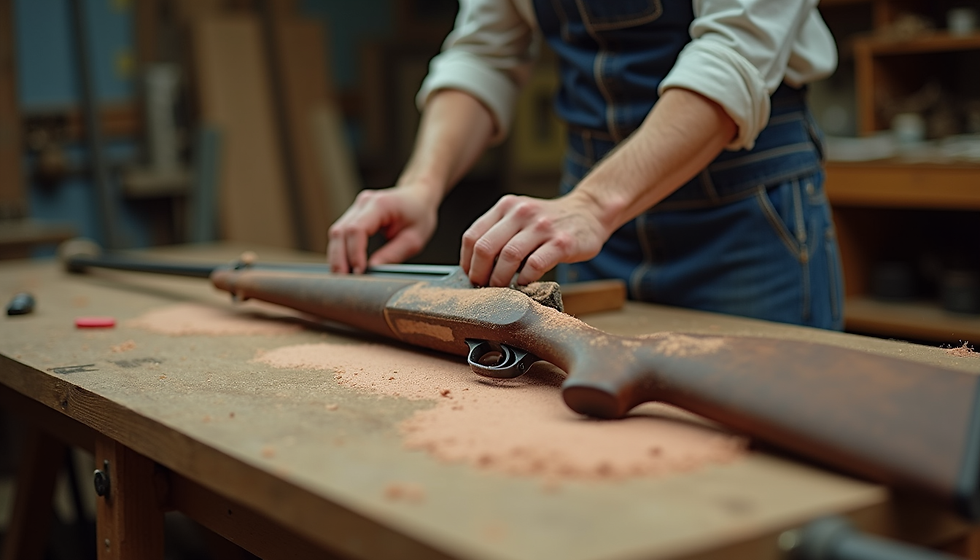
Many family firearms have wooden stocks or grips that also need attention. Here’s how to restore them:
Clean the wood: Use a mild soap solution and a soft cloth. Avoid soaking the wood.
Remove old finish: Lightly sand the surface with fine sandpaper to remove worn or damaged finish.
Repair minor damage: Fill small cracks or dents with wood filler designed for gun stocks.
Refinish: Apply a wood stain or oil finish that matches the original color. Tung oil or linseed oil are popular choices.
Protect: After drying, apply a clear protective coat to seal the wood.
Restoring the wood complements the metal finish and completes the firearm’s appearance.
When to Seek Professional Help
While many restoration steps can be done at home, some situations call for professional expertise:
Severe rust or pitting: Deep corrosion may require specialized tools and techniques.
Mechanical issues: If the firearm’s action or safety mechanisms are compromised, a gunsmith should inspect and repair them.
Historical or valuable firearms: To preserve value, professional restoration is often recommended.
Bluing or refinishing: Hot bluing and certain finishes require equipment and experience.
If you’re in the Live Oak or San Antonio area, consider reaching out to RTF3TX. They are known for their precision and safety focus, offering custom modifications and expert restoration services. Their Type 1 FFL license also means they can handle firearms legally and professionally.
Maintaining Your Restored Firearm
Restoration is just the beginning. To keep your family heirloom in great shape:
Clean regularly: After each use or every few months if stored.
Store properly: Use a dry, cool place with a gun safe or case.
Apply oil: Keep a light coat of gun oil on metal parts.
Inspect periodically: Check for signs of rust or wear.
Proper maintenance ensures your firearm remains a cherished heirloom for future generations.
Restoring a family firearm to near original finish is a rewarding project that combines respect for history with practical skills. By following these clear steps and knowing when to seek professional help, you can bring your heirloom back to life safely and beautifully. Whether you’re cleaning, refinishing, or repairing, take your time and enjoy the process of preserving a piece of your family’s legacy.


Comments