Handgun Dry Fire Drills That Build Match-Grade Accuracy at Home

Handgun Dry Fire Drills That Build Match-Grade Accuracy at Home
By Roland Lamothe, RTF3TX Gunsmithing
Enhancing your shooting accuracy without stepping foot on the range is entirely feasible through effective dry fire training. This method not only saves time and resources but also develops essential muscle memory and precision needed for match-grade performance. In this article, we explore various dry fire drills specifically designed for handguns, emphasizing their critical role in achieving high levels of accuracy with minimal equipment. Many shooters face challenges such as inconsistent trigger control or poor sight alignment, hindering their performance during competitions. By engaging in the right drills, you can overcome these obstacles and boost your shooting skills right at home. We will cover the essential aspects of dry fire training, effective practice spaces, exercises for trigger control and grip, and safety practices to maximize your training.
What Are the Essentials of Dry Fire Training for Handgun Accuracy?
Dry fire training is a technique where shooters practice their aim, trigger control, and grip without live ammunition. This method is crucial for developing the foundational skills necessary for match-grade accuracy. The benefits of dry fire practice include substantial improvements in focus, decision-making skills under pressure, and reinforcement of solid shooting stances. It’s essential to use the correct techniques and equipment during these practice sessions to achieve the desired results. Moreover, consistency in practice plays a critical role in muscle memory development, which translates directly to performance during live fire scenarios.
How Does Dry Fire Practice Improve Match-Grade Accuracy?
Dry fire practice leads to improved match-grade accuracy by allowing shooters to focus on the mechanics of their shooting without the additional stress of recoil or noise. It enhances muscle memory through consistent repetition of perfect techniques. Regular practice also fosters improved mental focus, allowing shooters to cultivate their concentration on sight alignment and trigger pulling mechanics. Research indicates that diligent dry fire training can yield marked accuracy improvements over time, with some participants noting increases in precision by roughly 20% to 30%.
Which Handgun Sight Alignment Exercises Are Key in Dry Fire?
Effective sight alignment exercises are vital in dry fire training. These exercises often focus on establishing proper alignment between the front and rear sights, which is crucial for accurate shooting. Common practice includes the "dot drill," where shooters ensure that the front sight aligns perfectly between the rear sight hoods. Another beneficial exercise is the "hold drill," which strengthens control over the front sight while maintaining steady focus on the target. By integrating these exercises into your dry fire routine, you can significantly minimize common mistakes and enhance your overall accuracy.
How Can You Set Up Effective Home Dry Fire Practice Spaces?
Setting up a dedicated dry fire practice space within your home is essential for maximizing the effectiveness and safety of your training. Your practice space should be free from distractions, ideally in a quiet and open area where you can move and position yourself comfortably. It’s important to establish clear safety protocols, including ensuring all firearms are unloaded and securing them in a way that eliminates any possibility of accessing live ammunition during practice.
What Equipment Do You Need for Safe and Accurate Dry Fire Training at Home?
Type of Equipment | Description | Purpose |
Dry Fire Practice Targets | Paper targets or electronic systems designed for dry fire use | Provides visual feedback and goals |
Dummy Rounds | Inert rounds to simulate loading and unloading | Helps in practicing reloads and malfunction drills |
Laser Training Devices | Laser cartridges that emit a beam when the trigger is pulled | Allows for real-time feedback on shot placement |
Snap Caps | Dummy cartridges that allow dry firing without damaging the firing pin | Provides a realistic shooting experience without risks |
This table highlights crucial tools that facilitate safe and accurate dry fire training, allowing shooters to focus on improving their shooting skills.
How to Arrange a Home Shooting Setup to Support Match Grade Drills?
When arranging a shooting setup for dry fire practice, consider implementing a layout that maximizes accessibility and minimizes distractions. Use a large wall or space to mount targets at eye level, ensuring that you always train your eye on what you'll be shooting at. Create designated areas for storing your dry fire equipment, such as targets and other aids, to keep your area organized and efficient. Additionally, incorporate a timer or shot-calling system to monitor your practice intervals, enabling robust performance tracking over time.
Which Dry Fire Drills Best Improve Handgun Trigger Control and Grip?
Focusing on trigger control and grip during dry fire practice is essential for improving accuracy and consistency. A well-structured set of drills can significantly enhance these skills, ensuring better reliability during live shooting scenarios.
What Are Step-By-Step Trigger Control Exercises for Precision?
Reset Drill: With your handgun aimed at a target, gradually pull the trigger until you "fire" (without ammunition), then reset and repeat. This drill emphasizes smooth trigger pulls while keeping the sights aligned.
Squeeze vs. Pull Drill: Place a dime on the front sight and practice squeezing the grip smoothly without moving the dime. This exercise helps differentiate between jerking the trigger and a controlled squeeze.
Sight Focus Drill: Alternate between focusing on your target and your front sight to develop muscle memory for sight alignment, which is crucial for accurate shooting.
By consistently performing these exercises, shooters can develop a more precise touch on their triggers while maintaining stable grip control.
How Does Grip Adjustment Impact Dry Fire Accuracy?
Grip adjustment is fundamental in determining the accuracy of each shot fired. Different grip styles, such as the thumbs-forward position or classic isosceles stance, can dramatically affect how recoil affects your aim. Understanding your grip dynamics helps you to analyze how consistent pressure and control over the firearm contribute to shot placement accuracy. Regularly experimenting with grip adjustments during dry fire practice allows you to find the most comfortable and effective point for your shooting style, ultimately enhancing your overall performance.
What Safety and Maintenance Practices Support Effective Dry Fire Training?
Safety is paramount in any firearms training, and dry fire practice is no exception. Implementing rigorous safety and maintenance practices ensures a secure training environment while preserving the functionality of your equipment.
How to Perform Regular Gunsmithing Checks for Training Accuracy?
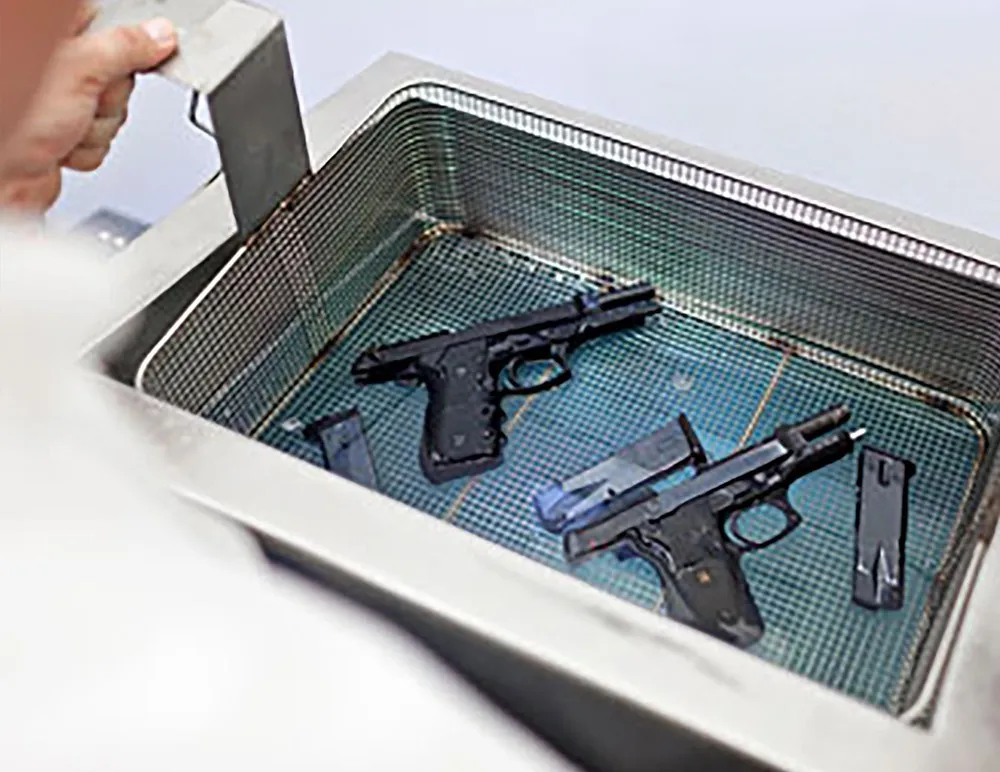
Regular gunsmithing checks are essential to ensure your firearm operates correctly during both dry fire and live shooting. This includes inspecting and cleaning key components such as the trigger mechanism and slide for wear and tear. A reliable gunsmith can provide a thorough overview of a firearm's condition, identifying potential issues before they become hazardous. It's advisable to conduct these checks every few months or more frequently if you are training intensely.
What Are the Best Safety Protocols for Home Dry Fire Practice?
Clear Your Firearm: Always ensure your firearm is completely unloaded and stored safely when not in use.
Use a Safe Direction: Always point your firearm in a safe direction and avoid training near others to eliminate potential accidents.
Establish Emergency Procedures: Have a clear understanding of what to do in case of an emergency, including rapid unloading and securing of any firearm.
These safety protocols enhance the effectiveness and security of home training sessions, allowing shooters to practice with confidence.


Comments