Understanding the Differences in Pistol Actions: Single vs. Double Action Pistols

When it comes to pistols, understanding the mechanics behind their operation is crucial for safety, performance, and maintenance. As a master gunsmith with years of experience and a background in military service, I have seen firsthand how knowledge of pistol actions can impact a shooter's confidence and effectiveness. In this article, I will break down the differences in pistol actions, focusing on single action and double action pistols, to help you make informed decisions about your firearm.
Key Differences in Pistol Actions
Pistol actions refer to the mechanism that controls how the trigger interacts with the firing process. The two primary types are single action (SA) and double action (DA). Each has unique characteristics that affect trigger pull, safety, and handling.
Single Action Pistols
In a single action pistol, the trigger performs one function: releasing the hammer or striker to fire the round. Before the trigger can be pulled, the hammer must be manually cocked or cocked by the cycling of the slide after firing. This results in a lighter and shorter trigger pull, which can improve accuracy and speed for experienced shooters.
Advantages of Single Action Pistols:
Consistent, light trigger pull for precise shooting
Typically faster follow-up shots due to reduced trigger travel
Easier to maintain trigger control under stress
Disadvantages:
Requires manual cocking for the first shot if the hammer is down
Potentially less safe if not handled properly, as the hammer is cocked and ready to fire
Double Action Pistols
Double action pistols allow the trigger to perform two functions: cocking the hammer and releasing it in one continuous pull. This means the shooter can fire the first shot without manually cocking the hammer. After the first shot, the cycling slide cocks the hammer for subsequent shots, which are then single action.
Advantages of Double Action Pistols:
Safer first shot with a longer, heavier trigger pull reducing accidental discharge risk
No need to manually cock the hammer before firing
Versatile for defensive situations where quick response is critical
Disadvantages:
Heavier trigger pull can affect accuracy, especially for inexperienced shooters
Longer trigger travel may slow follow-up shots
Understanding these differences is essential for selecting the right pistol for your needs and ensuring safe operation.

Is a Glock a Single or Double-Action?
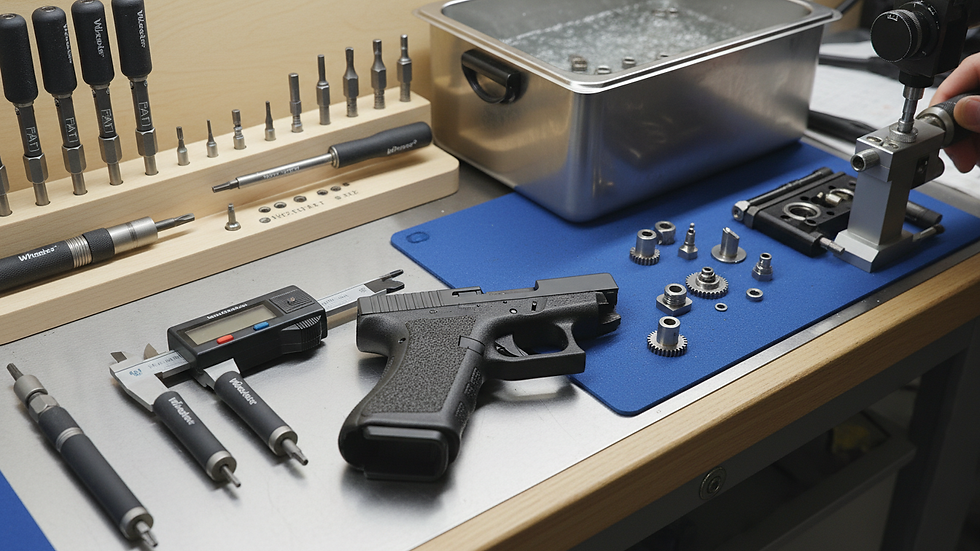
A common question I encounter is whether Glock pistols are single or double-action. Glock pistols utilize a unique trigger system often referred to as "Safe Action." This system is neither traditional single action nor double action but incorporates elements of both.
The Glock trigger performs a partially pre-cocked action, meaning the striker is partially cocked by the cycling slide. When the trigger is pulled, it completes cocking and then releases the striker to fire the round. This results in a consistent trigger pull for every shot, similar to single action, but with the safety features of double action.
Key points about Glock's trigger system:
Consistent trigger pull weight for every shot
Integrated trigger safety mechanisms
No external hammer, striker-fired design
This design balances safety and performance, making Glock pistols popular among law enforcement and civilian users alike.
Practical Considerations for Choosing Between Single and Double Action Pistols
When deciding between single action and double action pistols, consider the following factors:
Intended Use
Self-defense: Double action pistols offer a safer first shot with a longer trigger pull, reducing accidental discharges under stress.
Target shooting: Single action pistols provide a lighter trigger pull, enhancing accuracy and speed.
Duty use: Many law enforcement agencies prefer double action or DA/SA pistols for their balance of safety and performance.
Training and Experience
Shooters with extensive training may prefer single action pistols for their precision.
Beginners might benefit from double action pistols due to the heavier trigger pull acting as a safety feature.
Maintenance and Reliability
Single action pistols often have simpler trigger mechanisms, which can mean easier maintenance.
Double action pistols may have more complex internals but offer versatility in operation.
Safety Features
Consider pistols with manual safeties, decockers, or trigger safeties depending on your comfort level.
Always prioritize firearms with proven safety mechanisms and ensure proper handling.
How to Safely Handle and Maintain Your Pistol Action
Safety is paramount when handling any firearm. Here are some essential tips for managing single and double action pistols:
Always treat the firearm as if it is loaded.
Keep your finger off the trigger until ready to shoot.
Understand your pistol’s action type and how it affects trigger pull and safety.
Regularly inspect and clean your pistol to maintain reliable function.
Practice dry firing to become familiar with trigger pull characteristics.
Use proper holsters and storage solutions to prevent accidental discharge.
Proper maintenance includes checking the hammer or striker mechanism, trigger assembly, and safety components. If you notice any irregularities, consult a qualified gunsmith immediately.
Enhancing Your Firearm Experience with Expert Gunsmithing
At RTF3TX Gunsmithing, we emphasize single-technician accountability and master bench standards to ensure every firearm we service meets the highest quality and safety benchmarks. Whether you own a single action or double action pistol, our expertise can help optimize your firearm’s performance through custom modifications, trigger tuning, and safety upgrades.
Our goal is to provide flawless 5.0 customer satisfaction by delivering precise diagnostics and tailored solutions. If you are in the Live Oak or San Antonio area and want to enhance your pistol’s reliability and handling, trust RTF3TX to deliver expert craftsmanship with a safety-first approach.
For more detailed insights on single action vs double action pistols, visit our website or contact us directly.
Understanding the mechanics behind your pistol’s action is more than just technical knowledge - it’s about ensuring your safety and confidence every time you handle your firearm. Whether you prefer the crisp trigger of a single action or the versatility of a double action, mastering these differences will make you a more responsible and effective shooter.


Comments